Broken by Design: The Word Games That Punished Players Instead of Rewarding Them
There's a particular kind of frustration that only word game players know. It's not the healthy tension of a tough puzzle. It's the jaw-clenching, table-gripping moment when you realize the game itself is working against you. The tiles are wrong. The word list is absurd. The rules feel like they were written by someone who genuinely dislikes fun.
Word games are supposed to stretch your brain in a good way — a satisfying pull, not a snap. But over the decades, designers have made some genuinely spectacular mistakes. Some of these missteps became legendary. Others quietly killed off games that could have been great. Let's dig into the word game decisions that made players want to flip the board — literally and figuratively.
The Scrabble Tile Bag Problem Nobody Talks About Enough
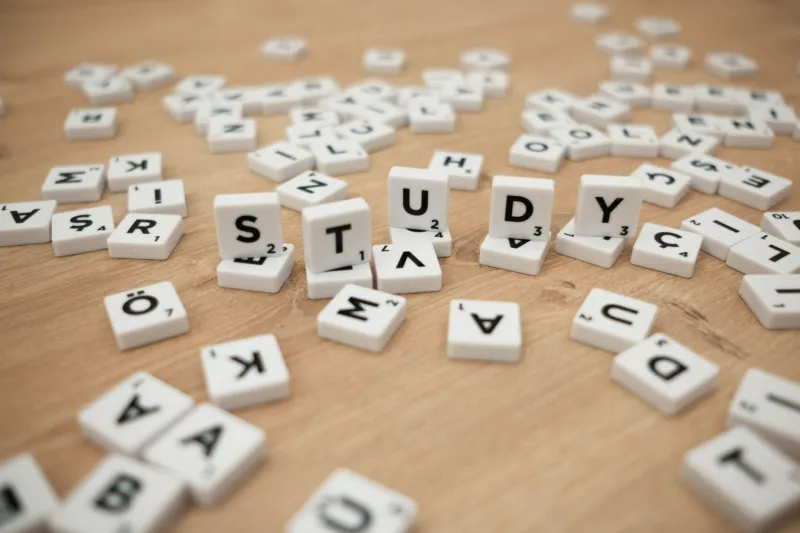
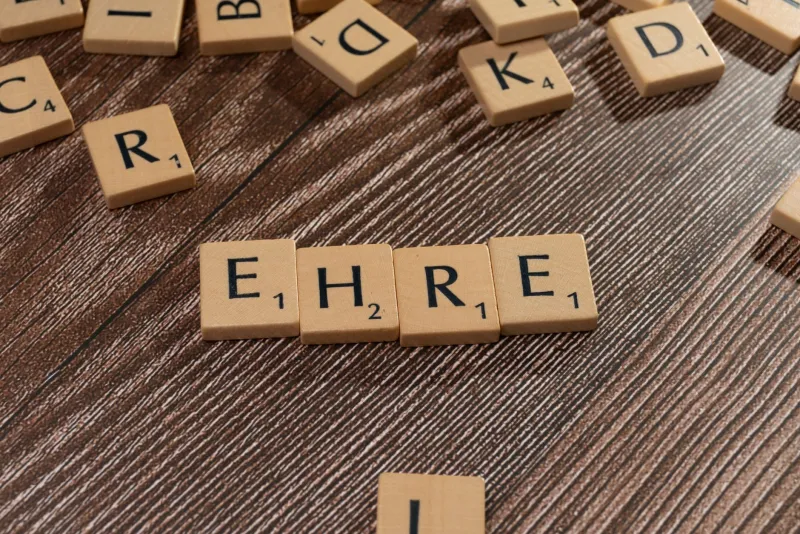
Scrabble is the grandfather of competitive word gaming in the US, and for good reason — at its best, it's a gorgeous mix of vocabulary, strategy, and luck. But let's be honest about the luck part: sometimes that tile bag is an absolute villain.
Draw four U's and no Q? Congratulations, you're holding a handful of near-useless vowels while your opponent builds a seven-letter masterpiece across a triple word score. The official Scrabble tile distribution was designed decades ago, and while it's been tweaked over the years, players have long complained that certain letter combinations can essentially hand a round to your opponent before a single word is played.
The deeper design issue is that Scrabble never fully solved the tension between skill and randomness. Expert players develop workarounds — holding tiles strategically, knowing obscure two-letter words to burn bad draws — but casual players just feel robbed. When your loss feels like the bag's fault rather than your opponent's skill, something has gone wrong in the design.
Wordle Clones and the Curse of the Unfair Word List
When Wordle exploded in early 2022, every developer with a keyboard and a dream launched a clone. Some were genuinely clever. Others were quietly catastrophic.
The biggest offender? Unfair word lists. Wordle's original charm came partly from its carefully curated set of common five-letter words. The answers felt fair — challenging, sure, but drawn from vocabulary most English speakers actually use. Then the clones arrived with answers like XYLYL, FUSBY, or CRWTH. Words that exist, technically, somewhere in the dusty back pages of an unabridged dictionary — but that no living person has typed in casual conversation, ever.
When a game's difficulty comes from obscure vocabulary rather than clever deduction, it stops being a puzzle and starts being a trivia gotcha. Players don't feel outsmarted. They feel cheated. The difference matters enormously. A good word game makes you think "I should have seen that." A bad one makes you think "Nobody could have seen that."
The Multiplayer Timer Trap
Adding a countdown clock to a word game sounds like a reasonable way to add tension. In practice, it often just adds anxiety — and not the fun kind.
Several mobile word games leaned hard into timed multiplayer modes where players had seconds to submit answers. The problem wasn't the timer itself; it was that the timer disproportionately punished players who were actually thinking. Speed typists and players who defaulted to short, simple words cleaned up, while anyone genuinely trying to find the most interesting or highest-scoring word got penalized for the attempt.
Good game design rewards the behavior you want to encourage. If your word game's mechanics reward reflexes over vocabulary, you haven't made a word game — you've made a typing test with extra steps.
When "Helpful" Hints Became Insulting
Hint systems in word games are tricky to get right. Done well, they nudge players toward an aha moment. Done badly, they're either useless or they spoil the entire puzzle.
Some word game apps rolled out hint features that essentially solved the puzzle for you after one wrong guess. The stated goal was accessibility. The actual effect was gutting the satisfaction loop entirely. Players stopped trying to figure things out because they knew the answer was one tap away. Engagement metrics might have looked fine short-term, but the games quietly lost their replay value. Why come back tomorrow if today never felt earned?
On the other side of the spectrum were games that offered hints so cryptic they required solving a second puzzle just to understand the first one. Neither extreme respects the player's intelligence.
The Penalty System That Broke Player Trust
A few competitive word games experimented with penalty points — wrong guesses or invalid word submissions would subtract from your score. In theory, it added stakes. In practice, it introduced a specific kind of paralysis that ruined the experience for a huge chunk of players.
Casual players, especially those still building their vocabulary confidence, started refusing to guess at all. If the risk of being wrong felt worse than the reward of being right, why play? Penalty mechanics work in some game genres, but in a vocabulary game — where the whole point is to explore language, take risks, and occasionally discover that QUAFF is indeed a real word — punishing experimentation is a design own goal.
What Actually Makes a Word Game Fun
After cataloging all this dysfunction, it's worth asking: what separates a great word game from a punishing one?
The best word games share a few consistent qualities. First, the difficulty curve feels earned — you get harder challenges as your skills grow, not random spikes that feel arbitrary. Second, the vocabulary used is fair for the intended audience. A game marketed to casual players shouldn't be pulling from academic linguistics journals. Third, losing should feel instructive rather than humiliating. The best puzzles teach you something, even when you fail.
And maybe most importantly — the best word games make you feel clever. Not because they're easy, but because when you crack them, the solution feels inevitable in retrospect. That's the magic. That's what keeps players coming back.
The Takeaway for Players (and Designers)
If you've rage-quit a word game recently, there's a decent chance it wasn't entirely your fault. Bad design is real, and it shows up in this genre more than people acknowledge. The word game world has plenty of brilliant, thoughtful designs — and plenty of cynical cash-grabs and well-intentioned disasters.
Knowing the difference helps. Next time a game feels unfair, ask yourself: is this genuinely hard, or is this just broken? Your frustration might be completely justified.
And if you're a designer reading this — please, for the love of everything, test your word lists before you ship.