Spelling Out Loud: How the Humble Spelling Bee Became Gen Z's Favorite Spectator Sport
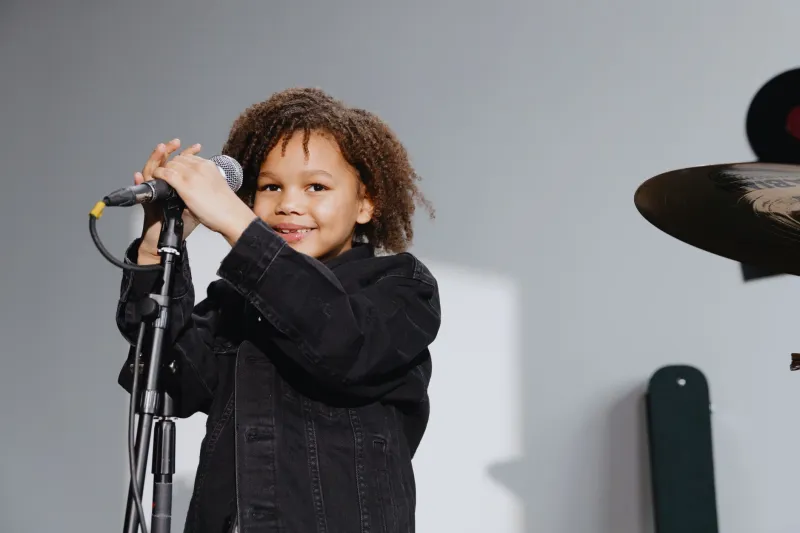
Somewhere between the third round of a national spelling bee and the moment a twelve-year-old asks for the word's language of origin with the calm confidence of a seasoned trial attorney, something clicks. The crowd leans in. The comments section explodes. And millions of people who haven't thought about orthography since third grade suddenly find themselves completely, helplessly riveted.
Welcome to the spelling bee renaissance — and yeah, it's every bit as weird and wonderful as it sounds.
From Dusty Auditoriums to Viral Gold
For decades, the Scripps National Spelling Bee lived in a comfortable cultural corner: respected, vaguely wholesome, reliably ignored by anyone under forty. Then came smartphones, short-form video, and a generation raised on YouTube reaction content — and suddenly, spelling bee clips started spreading like wildfire.
The formula is almost unfairly compelling. You've got a kid. You've got a word that looks like someone sneezed on a Scrabble board. You've got a clock, a microphone, and the entire auditorium holding its breath. TikTok was practically built for this moment. Clips of competitors nailing words like scherenschnitte or Ursprache rack up millions of views not because people are studying — but because the drama is genuinely unbeatable.
And here's the twist nobody saw coming: Gen Z, the generation that autocorrects everything and communicates largely in emojis and memes, is obsessed with this stuff. Turns out, watching someone master something brutally difficult is incredibly satisfying, even if — especially if — you couldn't do it yourself.
The Words That Became Internet Famous
Ask anyone who's spent time in spelling bee fan communities (yes, those exist, and they're delightful) and they'll have a short list of words that achieved genuine internet celebrity status.
Knaidel — a Yiddish word for a dumpling — became a minor phenomenon after it won the 2014 Scripps Bee and sparked debate about whether loanwords from non-Latin-alphabet languages should even qualify. Marocain, a type of dress fabric, tripped up enough competitors to earn its own meme format. And cymotrichous — meaning having wavy hair — has become something of a spelling bee mascot word, the kind that gets dropped into casual online conversation just to flex.
These words aren't just trivia. They're conversation starters. They're the linguistic equivalent of a plot twist. When a word goes viral from a spelling bee, it doesn't just trend for a day — it enters a certain corner of internet culture permanently, referenced in jokes, used ironically in captions, dropped into comment sections as a flex or a punchline.
Prime Time Gets the Spelling Bug
Television noticed. Of course it did.
The Scripps National Spelling Bee has been on ESPN for years, but the broader cultural appetite pushed networks to experiment with adult spelling competitions, celebrity bee formats, and primetime specials designed to capture the same electric tension that makes those TikTok clips so addictive. The ingredients are right there: human drama, genuine stakes, zero special effects required. Just a word, a person, and the terrifying silence before the first letter.
Producers have figured out that the real show isn't the spelling — it's the process. Watching a competitor ask for a definition, request the word's root language, ask for it used in a sentence, and then close their eyes and essentially meditate their way to an answer is genuinely thrilling. It's a window into how a focused human brain works under pressure, and that's compelling television no matter what generation you belong to.
What This Says About Us and Autocorrect
Here's where it gets interesting from a language nerd's perspective.
We live in an era where autocorrect finishes our sentences, spell-check flags our mistakes before we even notice them, and AI writing tools can draft a grammatically perfect email in seconds. By every practical measure, the ability to manually spell schwannoma from memory should be less relevant than ever.
And yet.
The spelling bee boom suggests something underneath the convenience culture — a genuine, persistent admiration for mastery. Americans aren't watching these competitions because they want to learn to spell better. They're watching because there's something deeply satisfying about seeing a human being do something hard and beautiful through pure mental discipline. In a world where algorithms handle the cognitive heavy lifting, the sight of a teenager mentally tracing the etymology of a German loanword feels almost radical.
It's the same energy that makes people watch chess tournaments or competitive cooking shows. The skill itself might not be something you'd ever use, but the pursuit of it? That's universally captivating.
The Bee Effect on Everyday Word Lovers
The cultural ripple doesn't stop at viewership numbers. Spelling bee popularity has measurably boosted interest in vocabulary games across the board — and if you've been playing the New York Times Spelling Bee puzzle (yes, named for exactly the tradition we're talking about), you already know the appeal.
That puzzle, which asks players to make as many words as possible from seven letters, pulls in millions of daily players. It scratches the same itch as the competition version: the hunt for an obscure word, the tiny dopamine hit when something clicks, the bragging rights of hitting Genius level before your morning coffee is finished.
Word games in general — crosswords, Wordle variants, anagram puzzles — have seen sustained growth that tracks alongside the spelling bee's cultural resurgence. People who got hooked watching bee clips went looking for ways to play themselves, and the puzzle industry was ready and waiting.
Why the Bee Isn't Going Anywhere
Some trends burn bright and vanish. This one has structural legs.
As long as there are words that look genuinely impossible to spell — and English, bless its chaotic heart, will never run out of those — there will be an audience for watching someone conquer them. The spelling bee taps into something primal about language itself: the idea that words have rules, that those rules can be learned, and that mastering them is a form of power.
For Gen Z viewers especially, there's something quietly countercultural about celebrating a skill that can't be hacked, automated, or shortcut. You either know how to spell appoggiatura or you don't. No algorithm saves you at that microphone.
And honestly? That's exactly why the rest of us can't stop watching.